The $47,000 Case That Should Change How You Buy Perforated Metal
Posted 2026-08-25 by Jane Smith
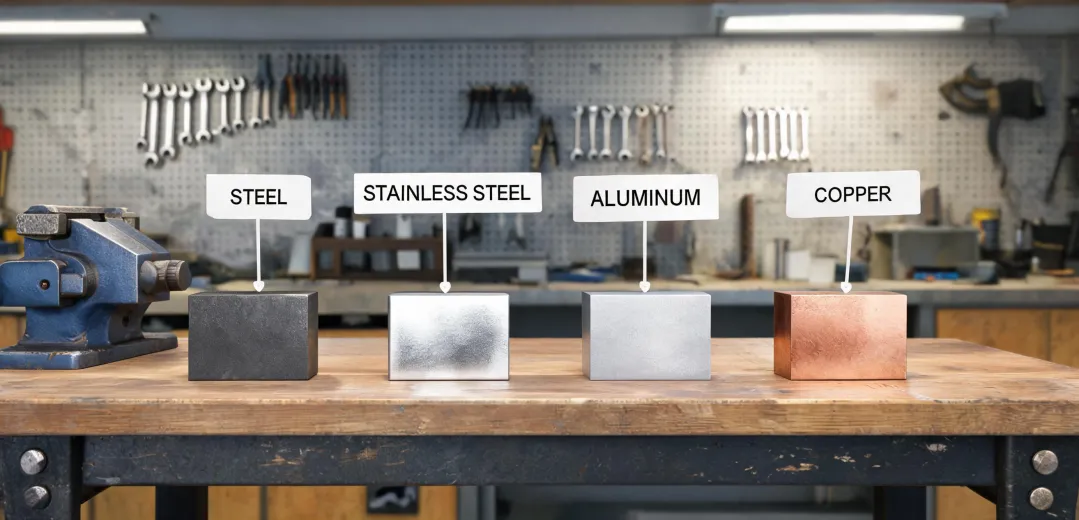
Salt Lake City, a cold January morning. A maintenance engineer crouches by a perforated stainless steel screen guarding an air intake on a downtown building. Three winters of road salt have eaten along the cut edges, leaving rust streaks and loose burrs. The replacement quote arrives: one local fabricator offers 304 stainless at 20% under budget, while a metal supply house recommends 316 at a premium. The engineer is tempted to save the money. But before they sign, they recall a story from a chemical plant in Shandong where a cheap material choice led to an expensive failure. That story is the reason this guide exists.
A $47,000 Lesson in Material Selection
The Shandong case shows why material selection trumps price. In 2024, a chemical processing facility in Shandong Province installed 304 stainless steel cooling headers for its seawater heat exchange system. The maintenance team chose 304 to save approximately $12,000 on material costs, confident that the modest savings would not affect performance. They reasoned that any stainless steel would resist corrosion, even in a coastal industrial setting. Within less than 18 months, chloride pitting ate through the pipe walls, causing leaks and a complete plant shutdown. The facility then paid roughly $47,000 for replacement headers, labor, and hazardous waste disposal — nearly four times the amount they had saved. That contrast between a $12,000 upfront saving and a $47,000 failure cost is the starkest argument for asking your fabricator to explain material choice, not just quote a price.
So why does the Shandong story matter for a maintenance manager in Salt Lake City? Because the same decision plays out every day when buyers compare perforated metal quotes. You ask two suppliers for pricing: one is 20% cheaper, but when you ask whether 304 or 316 makes sense for your environment, they hesitate. The other explains that 316 contains 2 to 3 percent molybdenum, which resists chloride corrosion from deicing salts, pool chlorine, or industrial steam. The cheap quote looks tempting, but the Shandong facility saved $12,000 upfront and lost $47,000 within 18 months. The real question isn't which quote is lower — it's which supplier can tell you what you're actually buying and how it will perform in your specific conditions. That expertise is what turns a purchase from a gamble into an engineered decision. When a supplier can explain the metallurgy, they're also likely to catch issues with hole geometry, edge finish, and installation details that you haven't thought about yet.
Salt Lake City isn't coastal, but it has its own version of marine exposure. Winter road salt sprays onto metal panels near parking lots and loading docks. Municipal water treatment plants handle chlorine. Food processing facilities use caustic washdowns. Industrial steam lines condense and drip. Each of these environments can create localized chloride attacks on stainless steel, especially at cut edges and fastener sites. If you specify 304 to save money, you may be replicating the Shandong mistake on a smaller scale. The stakes are not just the cost of replacement — they include downtime, safety inspections, and the phone call to your boss explaining why the screen you approved failed. Choosing a supplier who understands these risks is part of the material specification itself. A good fabricator will ask about your exposure conditions before they quote, and they'll steer you toward 316 if the situation warrants it.
What to Look For in a Perforated Metal Supplier
Now that you know why material expertise matters, the next step is knowing which supplier capabilities actually protect you. Look for a fabricator or metal supplier that can cut to size without minimum order quantities. Metal Supermarkets is a prime example: it carries over 8,000 types, shapes, and grades of metal and offers same-day service with fast turnaround. Their stores provide light processing such as shearing and punching, so you can walk in with a drawing and walk out with finished pieces. The practical benefit is simple: you are not forced to buy full sheets or pay for material you don't need. You can order exactly the dimensions your project requires, and if you are exploring a prototype, you can test a small batch before committing to a full run. A supplier that insists on minimum orders or can't cut to spec is a red flag, because it means you'll be doing secondary processing yourself — and every cut you make introduces new tolerance and burr issues. That's why the cut-to-size, no-minimum model is so valuable for a project buyer.
Beyond cutting and processing, look at the depth of inventory. A supplier with a narrow catalog may not have the specific alloy or hole pattern you need, which forces you to compromise or wait. Metal Supermarkets, for example, operates more than 135 brick-and-mortar stores across North America and has served over 250,000 customers in its four decades of business. That scale means they stock aluminum, hot-rolled and cold-rolled steel, stainless steel, alloy steel, galvanized steel, tool steel, brass, bronze, and copper in a wide range of shapes and grades. For perforated metal, this breadth matters because you might need a specific grade like 316 stainless for a chiller room, or a marine-grade aluminum for an outdoor screen. If the supplier has to order everything in, your timeline stretches. A deep inventory lets them quote real stock and cut to size immediately, which reduces project risk and calendar time. Ask about their stock list, not just their capabilities.
Finally, assess the quality of the people you'll be working with. Metal Supermarkets describes itself as the world's largest small-quantity metal supplier, with over 140 brick-and-mortar stores across the US, Canada, and the UK. That kind of presence is backed by a staff that is expected to act as metal experts, not just order takers. They offer value-added services like production cutting, shearing, and punching, and they're known as 'The Convenience Stores for Metal' precisely because they turn a complicated procurement into a quick conversation. When you call, you want someone who can ask the right questions: What environment will this live in? What's the open area percentage? What edge finish do you need? If a supplier can't answer those, they're not a partner — they're just a middleman. Choose the one that treats your spec sheet as a starting point for a technical dialogue. A knowledgeable representative can save you from costly mistakes before they happen.
Perforated Metal 101: Holes, Alloys, and Edge Finish
Once you've found a supplier with robust capabilities, you need to speak the language of perforated metal specifications. The three critical dimensions are material grade, hole pattern, and edge condition. Material grade determines corrosion resistance and strength — you might choose 304 for interior applications, 316 for chloride exposure, or a coated carbon steel for simple HVAC screens. Hole pattern includes the hole diameter, spacing, and open area percentage, which controls airflow, visibility, and structural integrity. Edge condition refers to how the perforations are finished: punched, deburred, or with rounded edges, which affects safety and how the panel handles vibration. A supplier with the breadth of a major metal center like Metal Supermarkets can walk you through these choices and cut your selected sheet to size right in the store. That kind of guidance is exactly what you need to avoid the trap of assuming all perforated panels are interchangeable. When you can specify open area and edge finish, you're no longer at the mercy of whatever the fabricator decides.
Material grade is where the Shandong lesson bites deepest. Many buyers assume stainless steel is stainless steel, but the difference between 304 and 316 is chemical, not cosmetic. 316 stainless steel contains 2 to 3 percent molybdenum, an alloying element that significantly improves resistance to chloride-based corrosion — the type of attack that happens near deicing salts, saltwater, or chlorinated washdowns. 304 is fine for atmospheric conditions and low-level chemical exposure, but it's not enough for marine or high-chloride industrial environments. That difference comes at a cost: 316 typically runs 30 to 40 percent more expensive than 304. But the Shandong case shows what that premium buys. Choosing 304 saved $12,000 on material costs, but complete chloride pitting in less than 18 months led to $47,000 in shutdown and replacement expenses. The math is simple: pay a little more for the right grade now, or pay several times more later. In Salt Lake City, your exposure points might be deicing salt tracked in from parking lots, chlorine in a nearby pool room, or chemical steam from processing equipment — all are enough to justify 316. Ask your supplier for the actual molybdenum content and compare the specs on paper.
Edge condition is the detail everyone overlooks until it becomes a problem. When a metal sheet is punched, the holes leave sharp burrs on the underside. If those burrs aren't removed, they can cut wires, catch clothing, and concentrate stress that leads to cracking. For perforated metal used in ventilation, acoustic panels, or architectural screens, a clean edge also prevents corrosion from starting where the metal was stressed. Ask your fabricator about their deburring process: do they tumble, grind, or apply a secondary pass? For applications where the panel will be handled, a rounded or chamfered edge is safer. If your supplier can't describe their edge finish control, that's a sign they may be treating perforated metal as a simple punch-and-ship job. The quality of that edge determines how long the panel survives, especially in a humid climate like Salt Lake City's. A small burr might be invisible in the shop, but it's the first place rust starts.
Six Questions to Ask Every Salt Lake City Fabricator
Armed with the basics, you're ready to interview suppliers. Here are six questions I'd put to every fabricator in Salt Lake City. One: what grades of stainless steel do you stock regularly — can you quote 316 today, not in three weeks? Two: what's your cutting tolerance — can you hold a 1/16-inch edge without secondary shearing? Three: do you deburr every panel, and can I see a sample? Four: what is your open area calculation for the hole pattern I'm specifying — will it give me the airflow I need? Five: do you offer no-minimum orders and cut-to-size service, so I can order exactly what the job requires? Six: can you provide material certifications for the specific heat of steel you'll use? A supplier like Metal Supermarkets, which advertises cut-to-size service and no minimum order quantities, should be able to answer all six without a pause. If you get hesitancy on any of them, especially the alloy and edge questions, walk away. The right partner treats these questions as routine and is happy to show you samples and test pieces.
Once you have answers, compare quotes on the full specification, not just the bottom line. A low price might come from using 304 instead of 316, or from skipping the deburring pass, or from a sloppier cut tolerance that leaves you extra work. Take the Shandong case as a benchmark: the cheap quote was $12,000 lower, but the true cost turned out to be $47,000 higher after failure. When you lay two proposals side by side, check whether both include the same material grade, hole pattern, open area, edge finish, and delivery terms. Ask the supplier to itemize the material cost, processing cost, and any handling fees. A 20% difference on a quote is comfortable to see, but a 20% difference in material grade can bring a 300% difference in lifespan. Your job is to compare apples to apples — and then choose the supplier who can explain why they're the right grade for this project. Don't let a low number distract you from the details that determine longevity.
Finally, don't overlook logistics. Ask about lead time, shipping options, and how panels are packaged to prevent damage during transit. Perforated metal can be large and awkward; a supplier that offers quick turnaround and local delivery may save you from handling delays. Check whether they can cut to final dimensions before delivery, which avoids you having to trim on site. If the supplier is remote, ask about freight costs and crating. In a project timeline, a week of delay can cost more than the panel itself. Choose a fabricator that treats delivery dates as commitments, not estimates. And ask for reference projects in the Salt Lake City area — a local track record means they've dealt with the same winter weather and building codes you face.
Choosing Your Perforated Metal Partner: The Final Rule
Now here's the final rule: match the material to the actual exposure environment, and treat the cheapest quote as a red flag rather than a bargain. The Shandong story is your template for what happens when you don't. The procurement team asked the wrong question — 'what's the lowest price?' — instead of 'what material will survive this environment?' They learned that 304 is not a substitute for 316 when chlorides are present. In Salt Lake City, your exposure may be intermittent, but it's real: road salt in winter, pool chlorine in recreation centers, chemical vapors in industrial plants. When a supplier recommends 304, ask them to explain why it'll survive in your specific conditions. If they can't, that's your answer. The right decision rule is simple: the cost of the material is a fraction of the cost of the failure. Pay for the expertise that gets the specification right the first time. A few hundred dollars more on a panel is insurance against spending thousands later.
Picture the maintenance engineer in Salt Lake City again, but this time with a different outcome. They call a supplier that offers 316 stainless, cut to exact size, with deburred edges and a clear explanation of why the molybdenum matters. The quote is 30% higher than the cheapest bid, but they order it anyway. Eighteen months later, the panels are still bright, the airflow is steady, and the only paperwork is a routine inspection. The extra they didn't save was actually the cheapest insurance they ever bought. That's the difference between buying perforated metal and buying a solution. In this city, where winter salt and summer humidity meet, the material choice is a maintenance decision, a safety decision, and a financial decision all at once. Choose the partner who understands that — and your next screen will be fine.
The Shandong lesson is now part of your procurement playbook. Next January, when the salt flies, you'll know exactly what to ask for and why.

Jane Smith
I’m Jane Smith, a senior content writer with over 15 years of experience in the packaging and printing industry. I specialize in writing about the latest trends, technologies, and best practices in packaging design, sustainability, and printing techniques. My goal is to help businesses understand complex printing processes and design solutions that enhance both product packaging and brand visibility.