How to Choose a Parking Garage Perforated Metal Wall
Posted 2026-09-04 by Jane Smith
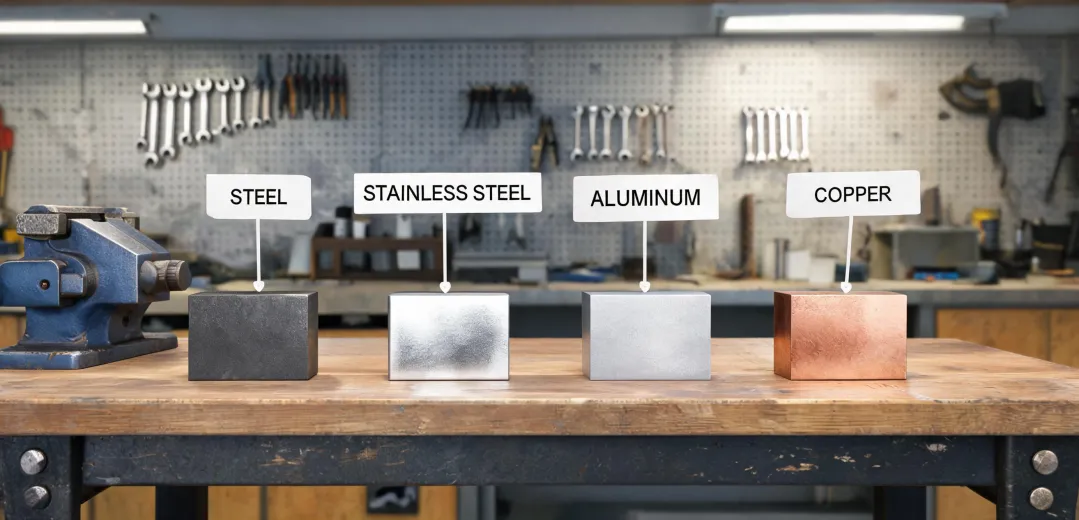
A parking structure specifier sits across from two perforated metal wall quotes: one in 304 stainless, one in 316. The 304 version may save a meaningful amount on the first invoice, and that is exactly the trap. The wall is not a decorative screen; it is an exposed structure that can collect road salt from winter cars or sea spray from a coastal garage. Choosing the panel by up-front price, rather than by chloride exposure and structural duty, turns the lowest bid into the most expensive repair. This guide explains when the premium grade earns its cost and when a cheaper metal is the correct, not merely the economical, choice.
The Perforated Wall Problem: Steel, Aluminum, or Stainless?
Which metal belongs on a multi-level parking garage perforated wall? The realistic candidates are a short list: aluminum, galvanized steel, and stainless steel, and each is available as perforated sheet. Nothing about those three choices is self-evident from a sample swatch. The wall will sit in a place where winter tires drag road salt into the structure, or where coastal air carries salt spray for months at a time. The material decision therefore should not begin with price or even with color; it should begin with what the completed wall has to survive.
Two criteria frame the decision: chloride exposure and structural duty. Chloride exposure is the first filter because the metal fails only when the chemistry of the location defeats its protective layer. A wall sheltered from salt can use a less expensive grade; a wall hit by de-icing salt or marine air must move to a corrosion-resistant grade. The structural filter comes second. A perforated panel weakens under loads because removing material removes stiffness, so the hole pattern, sheet thickness, and framing must match vehicle impact, wind, or vibrations from elevators and fans. When both filters are applied together, the initial question shifts from which metal is cheapest to which metal can be expected to reach its design life.
None of those options should be dismissed as unavailable. Suppliers such as Metal Supermarkets list perforated sheet in aluminum, galvanized steel, and stainless steel and offer over 8,000 metal types, shapes and grades across 135-plus North American stores. That matters because it separates the specifier's job from the mill's lead times: you can buy a realistic quantity cut to size, test a pattern, or replace a damaged section without financing a full truckload. The availability itself changes the choice by lowering the cost of a wrong pick, but it does not change the chemistry. If the panel faces chlorides, no inventory advantage will make a vulnerable grade last longer.
When Chloride Exposure Changes the Grade
What turns a perfectly respectable perforated metal wall into a maintenance liability? In a parking garage the trigger is usually chloride residue: road salt kicked up by tires, salt-laden air on a coastal ramp, or the film left behind when snow melts against a lower panel. Chlorides attack the oxide layer that gives stainless steel its reputation and they do so unevenly, concentrating in tiny pits rather than as general rust. The way to read a material quotation is therefore to ask which grade is being priced for the chloride load the site actually delivers, not whether the label says stainless steel.
The metallurgical distinction is the amount of molybdenum. 316 stainless steel contains 2 to 3 percent molybdenum, an additional element that improves resistance to chloride-based corrosion. 304 stainless steel protects against atmospheric conditions and low-level chemical exposure, but 316 is called for in marine environments, saltwater, and high-chloride industrial use. A parking wall does not have to sit in standing water for pitting to begin; a humid parking deck with salt residue can keep chlorides on the metal for weeks at a time. Pitting starts at a microscopic break in the passive film and deepens once the environment prevents the film from healing. That mechanism is why a material spec has to match the wall's actual location rather than its appearance.
The price gap between the grades makes the mistake easy to commit. 316 stainless steel typically runs 30 to 40 percent higher than 304. On a large wall, that gap adds real dollars to a bid, and many buyers see it as waste. The comparison changes when the time horizon lengthens: if chlorides never reach the plate, the 30-to-40 percent premium buys little protection. If chlorides do reach it, the same premium is less than the cost of removing rust-stained panels, repairing the framing, and keeping one lane of the garage closed. The decision should compare the premium to the replacement bill, not to the original invoice.
What the Hole Pattern and Framing Demand
Corrosion is only half of the specification. The structural constraint asks what the holes do to the panel and how much steel or aluminum must remain around them. A perforated metal wall in a parking garage has to withstand wind loads on exposed levels, occasional impact from carts and mirrors, and the vibration transferred from fans or nearby traffic. Large holes or a wide open area reduce stiffness, so the same material grade may be perfectly adequate in a sheltered stairwell and underdesigned at an open ramp edge. The practical question is not simply which metal to choose; it is whether the chosen hole pattern and framing work together.
Pattern choices are engineering variables, not just styling. Round holes in a staggered layout preserve more load path than elongated slots of the same open area, and the spacing between holes decides whether the remaining metal acts as a continuous frame or as separate struts. Suppliers who sell perforated sheet as a product line across steel, aluminum, and stainless steel make it easy to see the range: hole size, center distance, open area, and sheet thickness are all part of the order. The lesson for the planner is to state these values on the drawing instead of specifying a vague visual reference. If the structural review is skipped, the wall may pass inspection the day it is installed and still fail under its first serious wind event.
The sourcing side completes the structural choice. Buying cut-to-size, small-quantity metal from a supplier with neighborhood locations prevents the supply chain from dictating the panel size or the test procedure. You can order one panel to check how the perforation pattern reacts to a wind load or how the finish handles salt in an exposed corner. Because there is no minimum order quantity, a prototype is affordable before the full deck is committed. In practice, this keeps the decision in the hands of the designer: the supplier becomes a source of rapid turnaround and problem-solving rather than a reason to accept a weaker pattern.
When 'Cheap' Stainless Becomes the Costliest Choice
Why does a wall of 304 stainless sometimes become the most expensive choice in the building? Because the price spread is outweighed by the economics of replacement. A panel that pits through must be removed from the frame, and in a parking structure that work happens above traffic. Scaffolding or lifts, lane closures, disposal of corroded metal, repainting adjacent surfaces, and labor can multiply the original savings several times over. The buyer needs to compare the extra spent on a better grade against this total replacement cost, not against the line item on the first estimate.
The cost lesson is not hypothetical. A chemical processing facility in Shandong Province installed 304 stainless steel headers for a seawater heat exchange system in 2024. The procurement choice saved about 12,000 on material cost. Less than 18 months later the pipe walls had suffered complete chloride pitting; shutdown, replacement, and hazardous waste management came to approximately 47,000. The upfront saving disappeared and the replacement material was 316. The heat exchanger is not a parking wall, but the mechanism translates directly. Road salt on a lower-level panel is a similar chloride exposure, and the repair of a wall panel in a multi-story garage carries the same surprise overheads: access equipment, removal, and downtime for the space.
The economic answer is to use a rule before the contract is signed, then let a competent supplier confirm availability. When de-icing salts or sea air are present, 316 or a rated field-applied coating is the call; without chlorides, 304 or galvanized can carry the job. That rule holds when chloride is the deciding hazard; for a dry indoor screening wall, spending the extra 30-to-40 percent would be waste even though a problem-solving supplier can quote 316 quickly. The conversation should move from 'which grade do we have' to 'which grade survives this wall's specific exposure.'
The Decision Rule That Settles It
Turn the entire discussion into one decision test. Start by writing down whether de-icing salt, sea spray, or salty runoff will ever touch the perforated surface. If the answer is yes, specify 316 stainless; the extra cost is the cheapest insurance the garage can buy. If the answer is no, the premium is not required, and 304 or galvanized with sound coating can deliver the design life. After the grade is set, check that the hole pattern leaves enough solid metal for the framing and the loads. The grade handles the chemistry; the geometry and framing handle the mechanics, and neither can be replaced by the visual appeal of the panel.
No rule covers every site, and the exceptions should be handled before they become expensive surprises. A wall that is washed frequently by rain can shed salt between storms, allowing 304 to remain serviceable; a wall protected by glazing or a canopy but exposed to splash carrying road film may need more protection than its location suggests. In those gray zones, a test panel is the rational next step. With suppliers that sell small quantities and cut to size, the designer can install a sample at the harshest corner, watch it through a winter, and confirm the rule before ordering the full run. The boundary condition keeps the method flexible without reopening the chloride question every time a number in the budget changes.
Return to the two quotes that opened this decision. The 304 quote looks like a saving only until you put the source of chloride on the table. If road salt, sea air, or harsh chemical mist will reach the perforated metal wall, specify 316 and treat the premium as part of structural protection. If the location stays dry and protected, the cheaper grade can be the correct answer rather than a compromise. The rule is not a memory trick; it is the mechanical finish of a decision about the environment of the wall.

Jane Smith
I’m Jane Smith, a senior content writer with over 15 years of experience in the packaging and printing industry. I specialize in writing about the latest trends, technologies, and best practices in packaging design, sustainability, and printing techniques. My goal is to help businesses understand complex printing processes and design solutions that enhance both product packaging and brand visibility.